
Electrical Repairs
Systems That Work When You Need Them
Electrical Repairs in Marlborough for failed circuits, intermittent power loss, and equipment that won't start
Metro West Mini Splits handles electrical repairs for residential and commercial properties throughout Marlborough and Southborough when circuit breakers trip repeatedly, outlets stop working, or power becomes unreliable in specific rooms or zones. The work involves diagnosing the specific failure point—whether it's a degraded connection, an overloaded circuit, or a component that's reached the end of its service life—and restoring safe, consistent power delivery. Property owners typically call when equipment that worked yesterday won't turn on today, when certain outlets go dead without warning, or when lights flicker under normal load conditions.
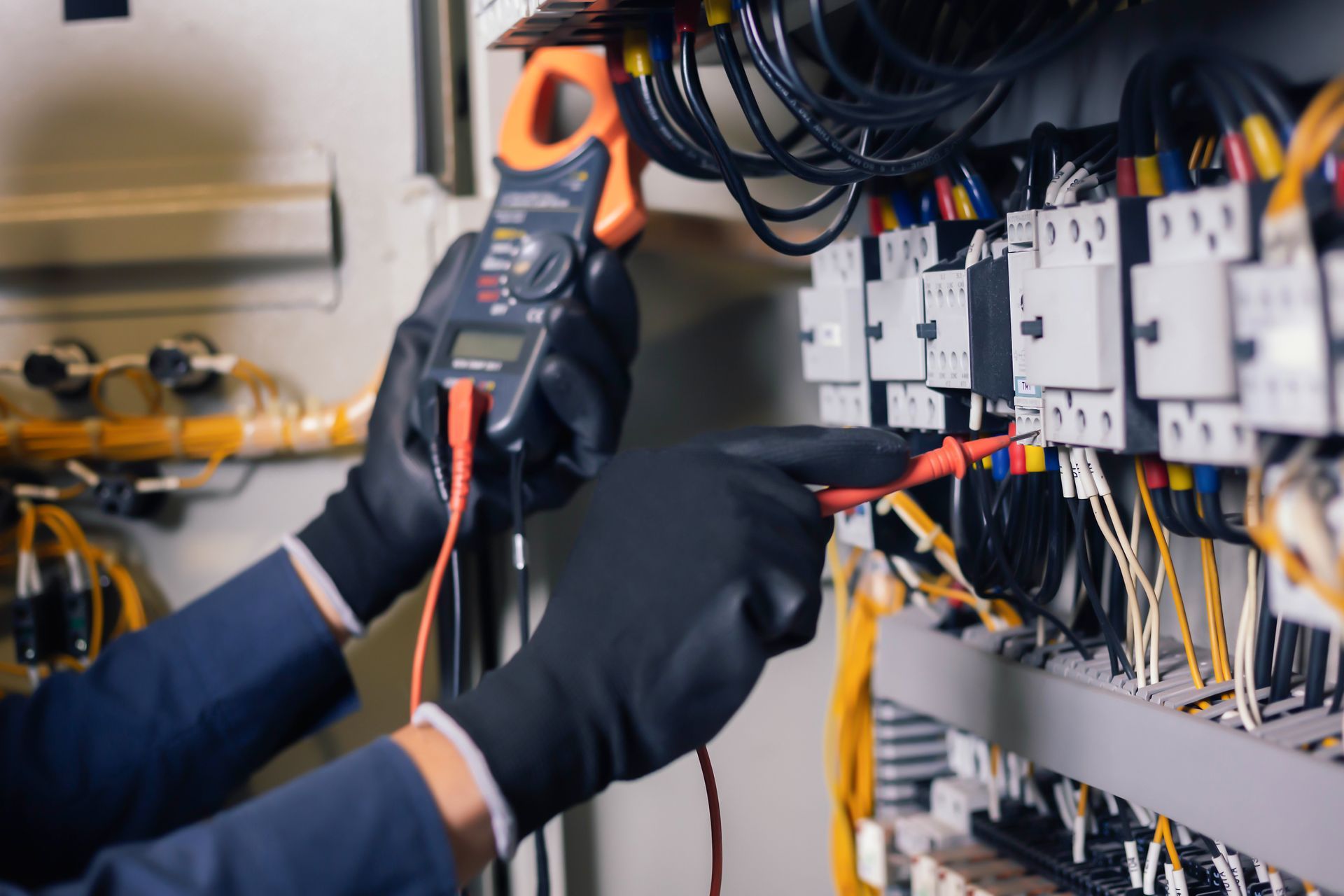
Electrical repairs address everything from tripped breakers and burned-out receptacles to faulty wiring connections and failing service panel components. The diagnosis begins with testing voltage, continuity, and load at the problem location, then tracing the circuit back to identify where the failure occurred. Older properties in central Massachusetts often present corrosion issues at connections exposed to basement moisture or where dissimilar metals were joined improperly decades ago.
Schedule a diagnostic evaluation to identify the specific circuit or component causing the problem.
What Happens During a Repair Call
The repair process starts with isolating the circuit that's malfunctioning, then testing each segment to determine whether the issue originates at the breaker, along the wiring run, at a junction box, or at the device itself. In most cases, visible signs at the panel—discolored breakers, warm bus bars, or loose lugs—point to the problem area before any disassembly begins. For intermittent faults, load testing under actual use conditions often reveals connections that fail only when current passes through them.
After the repair is complete, you'll notice breakers that stay reset under normal load, outlets that deliver consistent voltage, and equipment that starts reliably every time. Lights stop flickering when appliances cycle on, and circuits no longer trip when multiple devices run simultaneously. The system behaves predictably again, without the need to reset breakers or avoid using certain outlets during peak demand.
Repairs include replacing damaged components, tightening connections that have loosened over time, and upgrading circuit protection where the existing breaker no longer matches the load. If the original wiring is undersized or the insulation has become brittle, the repair may involve replacing cable runs rather than simply swapping out devices.
Questions Property Owners Ask About Repairs
Electrical issues present differently depending on whether the problem is at the service entrance, within the distribution panel, or along a branch circuit, and property owners in Marlborough and Southborough often have similar questions before scheduling a service call.
What causes breakers to trip repeatedly even after resetting?
Breakers trip when the circuit draws more current than the breaker rating allows, which happens either because too many devices are running simultaneously, because a motor or appliance has developed a fault that increases current draw, or because the breaker itself has weakened and now trips below its labeled capacity.
How do you locate a problem in wiring that's hidden behind walls?
The process involves testing voltage and continuity at accessible points—outlets, switches, junction boxes—then using those readings to narrow down the section of cable where the fault exists, sometimes requiring access through the basement, attic, or a single exploratory opening rather than removing entire wall sections.
When should a repair include replacing the entire circuit instead of just the device?
If the wiring insulation is cracked, if the cable gauge is too small for the current load, or if multiple failure points exist along the same run, replacing the circuit prevents repeat service calls and ensures the system meets current code requirements for that application.
What's the difference between a loose connection and a failed component?
A loose connection creates resistance that generates heat and intermittent contact, often showing up as flickering or partial power, while a failed component—a burned receptacle, a tripped GFCI that won't reset, or a breaker that won't stay engaged—stops conducting entirely and requires replacement rather than adjustment.
How quickly can most residential electrical repairs be completed?
Straightforward repairs like replacing a receptacle, tightening panel connections, or swapping a breaker typically take one to two hours once the problem is diagnosed, while issues requiring cable replacement or panel modifications may extend to a half-day depending on access and the extent of the affected circuit.
Metro West Mini Splits provides electrical repair services for both residential and commercial properties when systems fail unexpectedly or perform inconsistently. Arrange an on-site evaluation to determine what's causing the problem and what's required to restore reliable operation.