
EV Charger Installs
Charging Infrastructure That Supports Daily Use
EV Charger installs in Marlborough for residential driveways, commercial parking areas, and properties adding electric vehicle capacity
When electric vehicle charging needs to happen overnight at home or during business hours at a commercial property, the electrical system must deliver sustained high-amperage loads without overloading existing circuits or requiring constant manual intervention. Metro West Mini Splits installs EV chargers for residential and commercial properties in Marlborough and Southborough, handling everything from the dedicated circuit that runs from the service panel to the mounting and configuration of the charging unit itself. Property owners schedule installations when they've purchased an electric vehicle, when they're adding capacity for tenants or employees, or when existing 120-volt outlets prove too slow for practical daily charging.
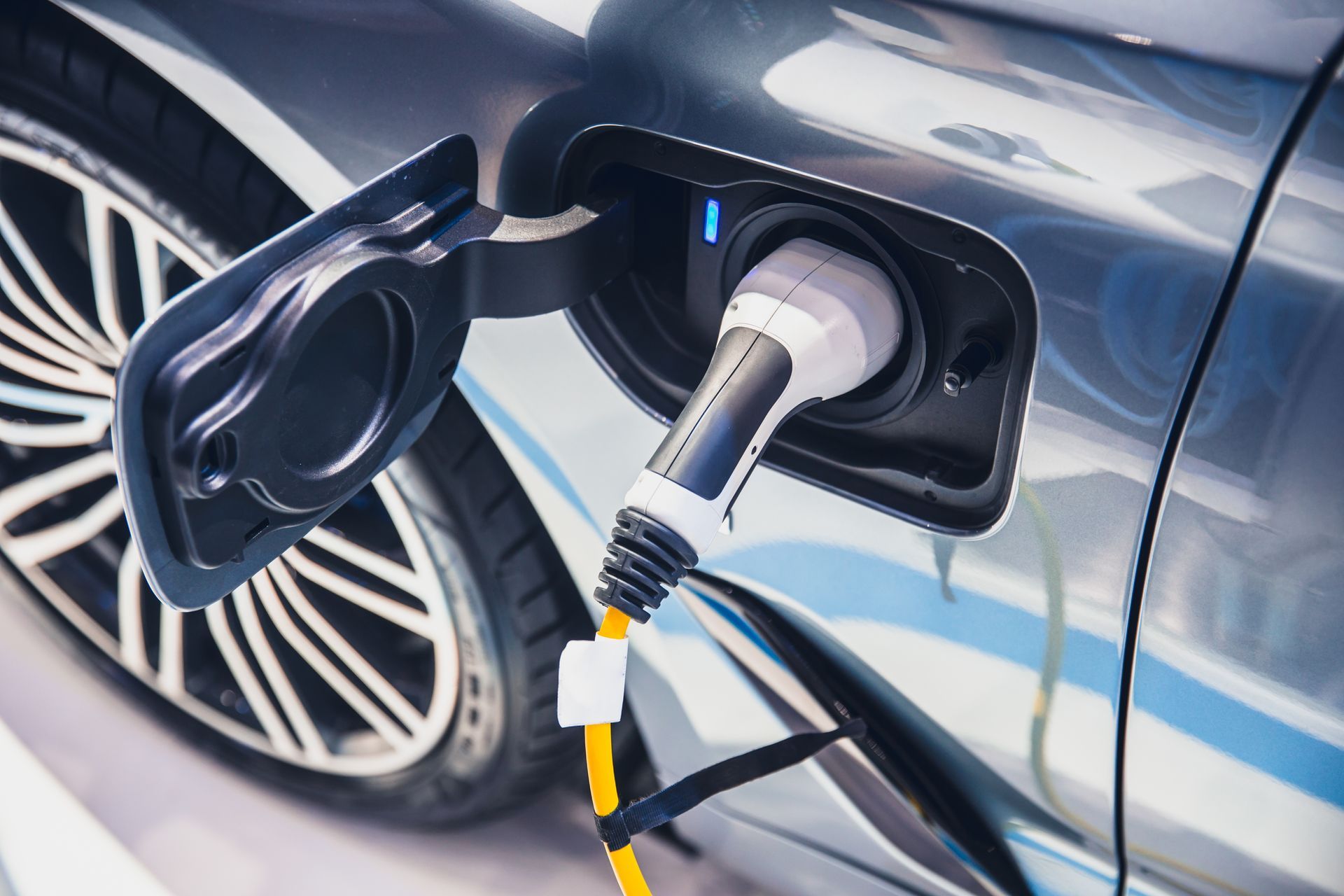
EV charger installations require a dedicated 240-volt circuit sized to match the charger's maximum output, typically 40 or 50 amps for residential Level 2 units. The installation includes running cable from the panel to the charger location—garage wall, exterior pedestal, or parking area—installing appropriate overcurrent protection, and mounting the unit at a height that allows the cable to reach the vehicle's charge port without dragging on the ground. Massachusetts winters mean outdoor installations require weatherproof enclosures and conduit rated for freeze-thaw cycles.
Request a site assessment to determine circuit routing, panel capacity, and charger placement based on your parking configuration.
How the Installation Process Works
The installation begins with evaluating the service panel to confirm it has capacity for the additional load and available breaker slots for the new circuit. If the panel is at or near capacity, the installation may require a load calculation to determine whether a main panel upgrade is necessary or whether load management features in the charger can allow installation within existing service limits. Once capacity is confirmed, cable is routed from the panel to the charger location using methods appropriate for the structure—concealed in walls and ceilings for interior garage installations, or through conduit for exterior runs across siding or underground.
Once the installation is complete, the vehicle charges at the full rate the charger supports, typically adding 25 to 30 miles of range per hour for a 40-amp unit. The charger mounts securely at a convenient height, the cable management system keeps the connector off the ground when not in use, and the circuit breaker remains stable under sustained charging loads night after night. Commercial installations often include multiple chargers on separate circuits, with provisions for future expansion as fleet composition changes.
Installations include the circuit, the breaker, the cable run, the charger mounting, and final connection to verify proper operation. The work does not include the charger hardware itself unless specified, and load management features or network connectivity are configured according to the manufacturer's specifications and your preference for monitoring or scheduling.
Common Questions About Charger Installations
EV charging adds a significant continuous load to the electrical system, and both residential and commercial property owners in Marlborough and Southborough want to understand what the installation involves before committing to the project.
What circuit size is required for a residential EV charger?
Most residential Level 2 chargers operate on a 40-amp or 50-amp dedicated circuit at 240 volts, which requires 8-gauge or 6-gauge copper cable depending on the run length, with a corresponding two-pole breaker in the service panel sized to match the charger's specifications.
How do you determine if the existing service panel can support a charger?
The process involves calculating the total connected load, comparing it to the main breaker rating and service entrance capacity, and determining whether adding the charger's load keeps the system within safe operating limits or whether panel modifications or load management technology is needed.
When does an outdoor charger installation require underground conduit?
Any cable run that crosses open ground, driveways, or landscaped areas requires burial in conduit at code-specified depths—typically 18 inches for PVC conduit in residential applications—to protect the cable from physical damage and moisture intrusion over time.
Why do some installations take longer than others?
Installation time depends on the distance from the panel to the charger location, whether the cable can be concealed within existing structure or requires surface conduit, whether the panel has available capacity and breaker space, and whether the charger location requires concrete mounting pads or pedestal installations.
What's involved in installing multiple chargers for a commercial property?
Multiple chargers require load calculations to size the service appropriately, individual circuits for each unit or a shared feeder with subpanel distribution, and coordination of mounting locations to match parking space assignments while minimizing total cable runs from the distribution point.
Metro West Mini Splits installs EV chargers for residential and commercial properties throughout Marlborough and Southborough, handling the electrical work from the service panel to the final device connection. Schedule a consultation to review your panel capacity and discuss charger placement options for your specific property layout.