
Knob and Tube Wiring Replacements
Wiring That Meets Current Safety Standards
Knob and tube wiring replacements in Marlborough for properties with original cloth-insulated circuits, ungrounded receptacles, and systems that insurers flag as outdated
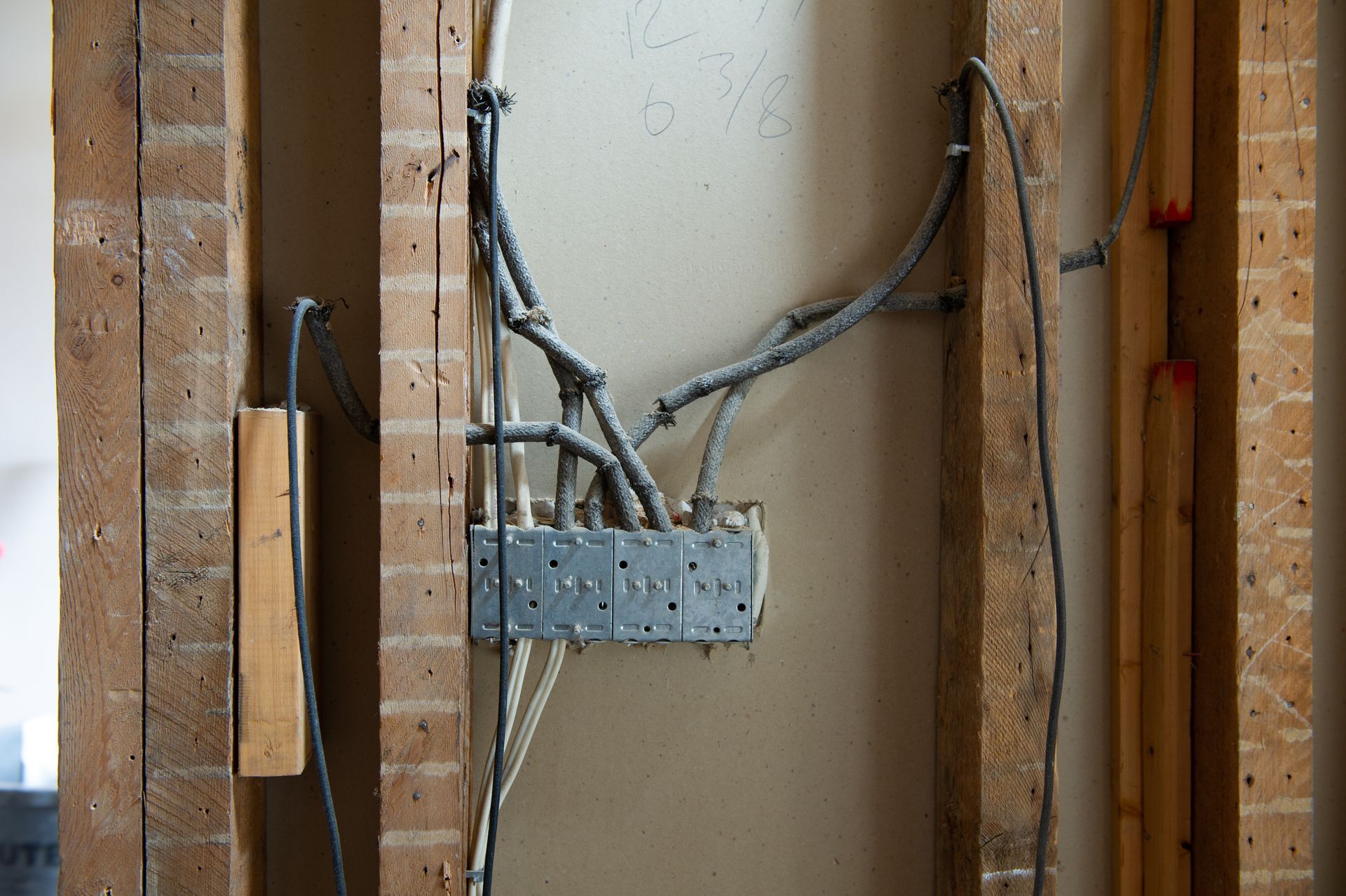
Homes built before 1950 often still contain active knob and tube wiring—individual conductors suspended on ceramic insulators through open framing cavities—which lacks a ground conductor, uses cloth insulation that becomes brittle over time, and isn't rated for the electrical loads that modern households demand. Metro West Mini Splits replaces knob and tube circuits with modern grounded wiring for residential properties in Marlborough and Southborough when insurance companies refuse coverage, when walls are opened during renovations, or when homeowners notice two-prong outlets, frequent breaker trips, or burning odors near old wiring. The replacement involves removing the old conductors and installing new cable with ground conductors, proper insulation ratings, and protection methods that meet current electrical code.
Knob and tube wiring functioned safely when installed because early electrical loads were minimal and the open-air installation allowed heat dissipation, but decades of building modifications have often buried these conductors under insulation, overloaded the circuits with modern appliances, and left connections exposed to moisture in attics and basements. The replacement process identifies which circuits still use knob and tube, traces their paths through the structure, and installs new NM cable or conduit runs that follow modern routing and protection standards.
Schedule a wiring assessment to identify which circuits require replacement and determine the access required for cable installation.
Why Replacement Becomes Necessary
The cloth insulation on knob and tube wiring deteriorates over decades, especially where it's been exposed to temperature swings in attics or moisture in crawl spaces, leaving bare conductors that can arc to nearby framing or other circuits. Modern electrical loads—microwaves, window air conditioners, power tools—draw far more current than the original 15-amp circuits were designed to handle, and the absence of a ground conductor means no fault protection exists if a device case becomes energized. Insurers consider knob and tube wiring a liability because failure modes include arcing faults that ignite surrounding materials.
After replacement, outlets accept three-prong grounded plugs, circuits handle modern appliance loads without overheating, and the electrical system includes ground fault protection that wasn't possible with the original two-wire configuration. The new wiring routes through drilled studs or surface conduit rather than open air, uses insulation rated for 90°C operation, and terminates at devices that provide secure screw terminals instead of the push-fit connections common in older installations. Homeowners notice that breakers stop tripping under normal use and that outlets deliver consistent voltage without the dimming or flickering that often accompanied the old system.
Replacement projects range from single-circuit upgrades during bathroom or kitchen renovations to whole-house rewiring when all remaining circuits use knob and tube. The scope depends on how much of the original system is still active, what access exists through basements and attics, and whether walls will be opened for other renovation work that makes cable installation more straightforward.
Common Questions About Wiring Replacement
Knob and tube replacement represents a significant project for older homes, and property owners in Marlborough and Southborough want to understand what the work involves and how it's coordinated with other renovation activities.
What makes knob and tube wiring unsafe compared to modern cable?
The system lacks a ground conductor for fault protection, uses cloth insulation that deteriorates and exposes bare conductors, wasn't designed for loads above 15 amps per circuit, and often has been compromised by decades of modifications, insulation contact, and moisture exposure that the original open-air installation method never anticipated.
How do you install new wiring without removing all the wall and ceiling surfaces?
Replacement uses a combination of methods—fishing cable through existing wall cavities where possible, routing through unfinished basements and attics, and using surface conduit or minimal access holes where concealed installation isn't practical—with the specific approach depending on the home's construction and how much renovation work is already planned.
When can knob and tube replacement be done in phases rather than all at once?
Phased replacement works when circuits can be isolated by floor or by room, when the service panel has capacity for new breakers as old circuits are retired, and when the remaining knob and tube circuits aren't buried under insulation or creating immediate safety concerns that require faster action.
Why do insurance companies refuse coverage for homes with active knob and tube wiring?
Insurers view knob and tube as a higher fire risk due to deteriorated insulation, overloaded circuits, and improper modifications that often exist in these systems, and many carriers either deny coverage entirely or require replacement within a specified timeframe as a condition of issuing or renewing a policy.
What documentation is provided after replacement to satisfy insurance requirements?
Completed work includes updated circuit labeling in the panel, documentation of which circuits were replaced, and a final inspection by the local building department if required, which together provide the evidence insurers need to confirm that the outdated wiring has been removed and replaced with code-compliant materials.
Metro West Mini Splits handles knob and tube wiring replacement for residential properties in Marlborough and Southborough, coordinating the electrical work with your renovation timeline or insurance deadlines. Set up an evaluation to determine which circuits require replacement and what access will be needed for cable installation.