
Swimming Pool Wiring
Electrical Systems Built for Wet Environments
Swimming pool wiring in Marlborough for pump circuits, lighting installations, and equipment that operates in continuous contact with water
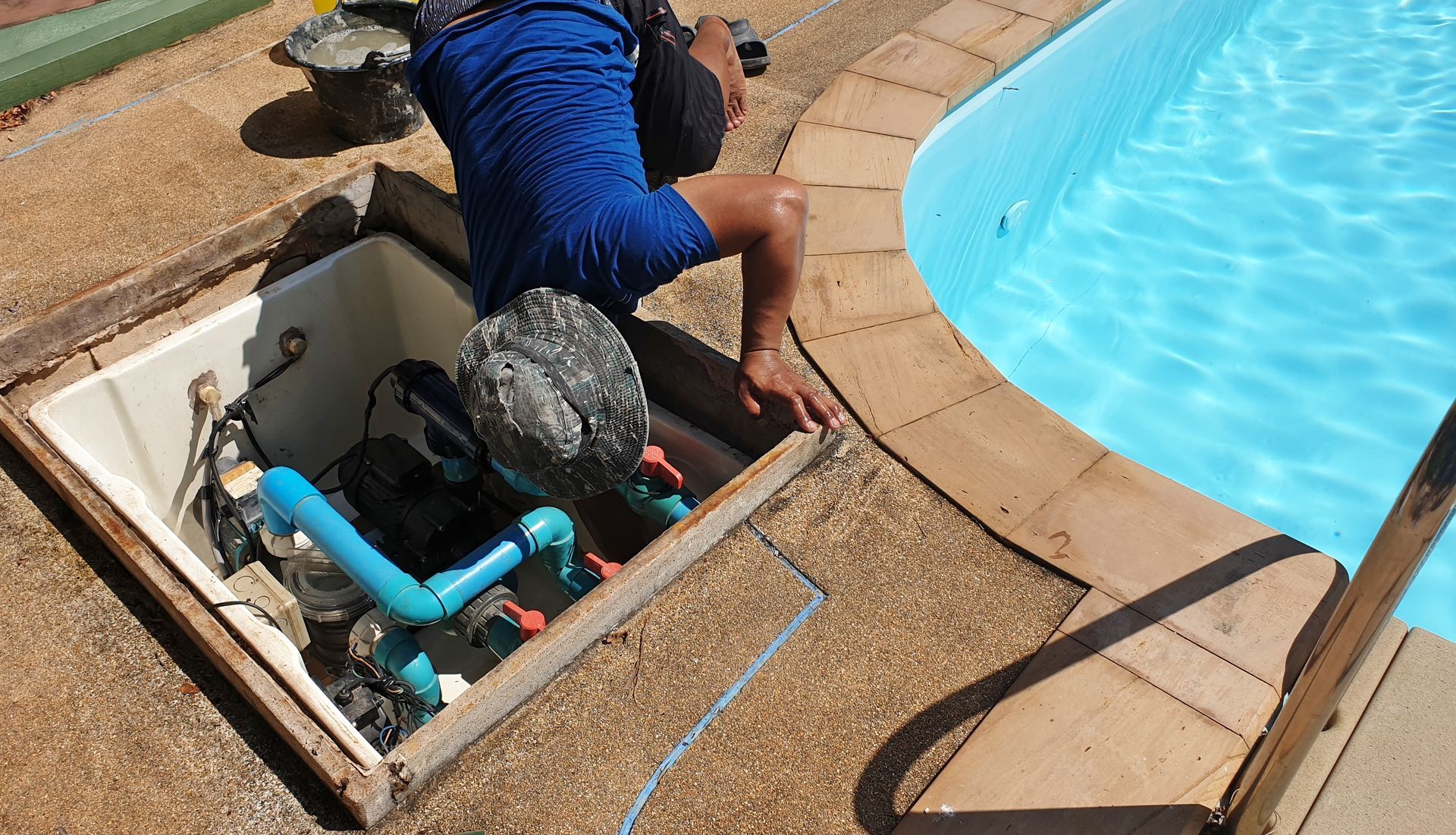
Electrical equipment around swimming pools operates in an environment where water contact, high humidity, and direct exposure to weather create fault conditions that would be minor issues elsewhere but become serious safety hazards near a body of water that people enter regularly. Swimming pool wiring installations must follow strict code requirements for grounding, bonding, ground fault protection, and physical routing to prevent any scenario where an energized conductor could make contact with pool water or pool users. Metro West Mini Splits installs pool wiring for residential and commercial properties in Marlborough and Southborough when new pools are built, when existing equipment is upgraded, or when older systems need to be brought into compliance with current safety standards that weren't enforced when the pool was originally constructed.
Pool wiring includes circuits for pumps, heaters, lighting, and control systems, each with specific requirements for overcurrent protection, ground fault interruption, and distance from the water's edge. All metal components—ladders, rails, pumps, light housings, and even reinforcing steel in concrete decks—must be bonded together with continuous copper conductors to eliminate voltage differences that could drive current through a person in contact with two different metal surfaces. Massachusetts weather patterns mean outdoor installations must use materials rated for freeze-thaw cycles and direct UV exposure throughout the operating season.
Request a pool wiring consultation to review equipment locations, code compliance requirements, and bonding specifications for your installation.
What Pool Electrical Installations Require
Pool wiring begins with establishing a bonding grid that connects all metal within five feet of the pool water, creating an equipotential plane that prevents voltage differences even if a fault occurs somewhere in the system. Circuits supplying pool equipment must include GFCI protection rated for the specific load type, and certain equipment like underwater lighting must use low-voltage systems with isolation transformers located outside the immediate pool area. Cable routing follows strict distance requirements from the pool's edge, with burial depths and conduit types specified by code to prevent physical damage and ensure long-term moisture resistance.
Once the wiring is complete, pool pumps operate on dedicated circuits that won't trip when other household loads cycle, lighting functions safely even with water inside the fixture housings, and ground fault protection responds to leakage currents before they reach levels that could cause injury. The bonding system prevents voltage differences between metal components, so touching a ladder while standing on the deck doesn't create a current path through your body. Disconnects for each piece of equipment mount within sight of the unit but outside the immediate pool area, allowing safe shutdown for maintenance without entering the bonding zone.
Pool electrical installations include the equipment circuits, the bonding grid, GFCI protection devices, disconnects, and compliance with setback distances and burial depths specified in the National Electrical Code. The work doesn't include the pool equipment itself or the plumbing connections, which are handled by the pool contractor and coordinated with the electrical installation schedule.
Questions About Pool Electrical Work
Pool electrical systems have unique safety requirements that go beyond standard residential wiring, and property owners in Marlborough and Southborough often need clarification about code compliance and equipment placement before construction begins.
What is pool bonding and why is it required separately from grounding?
Bonding connects all metal components around the pool to eliminate voltage differences between them, while grounding provides a fault current path back to the panel; bonding prevents shock hazards even when no fault exists by ensuring you can't become a conductor between two metal objects at different potentials.
How close to the pool can electrical outlets and equipment be installed?
Receptacles must be at least six feet from the inside wall of the pool, permanently installed equipment like pumps must be at least five feet away, and overhead service conductors require clearances that depend on the voltage and whether the pool is above or in-ground, with all distances measured from the water's edge.
When does pool lighting require low-voltage systems instead of standard circuits?
Underwater lighting installed in pool walls must use low-voltage systems—typically 12 volts—supplied through isolation transformers located outside the immediate pool area, while lighting mounted above the water on poles or structures can use standard voltages if properly protected with GFCI devices and appropriate fixture ratings.
Why do pool pump circuits trip more often than other household circuits?
Pool pumps draw high starting currents when the motor engages, and if the circuit isn't sized correctly or if the GFCI device is too sensitive for the motor's normal leakage characteristics, nuisance tripping occurs; properly selected circuit breakers and GFCI devices rated for motor loads prevent this issue.
What's involved in bringing an older pool installation up to current code?
Older pools often lack bonding grids, use non-GFCI circuits for pumps and lighting, and have equipment located closer to the water than current code allows, so updates typically involve installing a complete bonding system, adding GFCI protection, relocating equipment or adding barriers to meet setback requirements, and replacing underwater lights with low-voltage fixtures.
Metro West Mini Splits provides swimming pool electrical installations for residential and commercial properties in Marlborough and Southborough, handling everything from equipment circuits to bonding grids that meet current code requirements. Arrange a site visit to discuss your pool layout and coordinate the electrical work with your pool construction schedule.